


Glasgow’s rental market moves fast. Good flats in popular areas like the West End or Southside can go from listing to let agreed within days, which means tenants who understand the process and know what to look for are the ones who secure the home they actually want.
Whether you’re relocating for work, a student looking for your first tenancy, or simply moving across the city, this guide walks through everything you need to know about renting in Glasgow in 2026: where to look, how the application process works, and what your rights are as a tenant in Scotland.
What the Glasgow Rental Market Looks Like Right Now
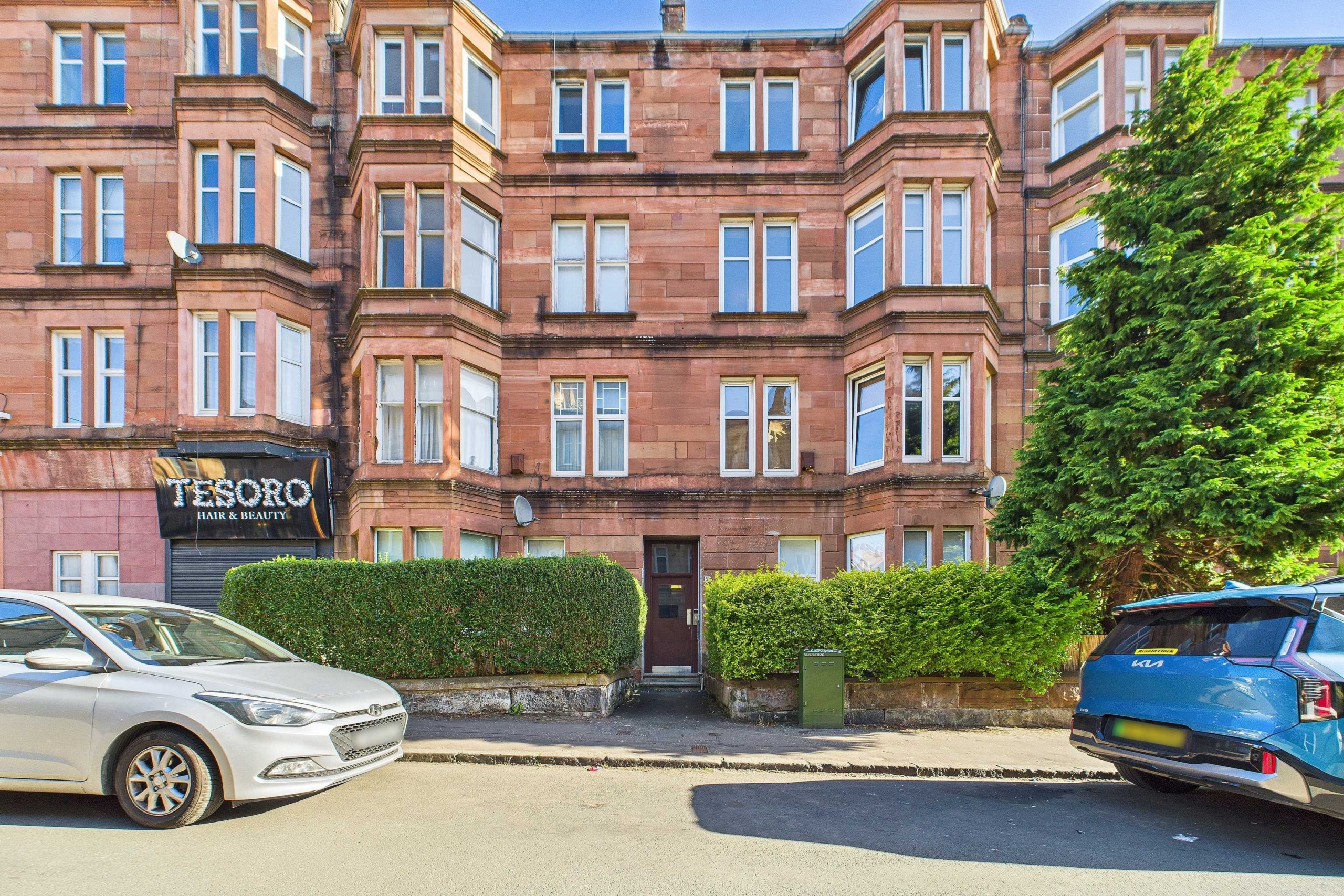
Demand for well-presented flats close to transport links, universities and the city centre remains strong across Glasgow. Tenement flats Glasgow’s signature red and blonde sandstone buildings- are still the most common style of rental property in the city, prized for their high ceilings, bay windows and period character, and they sit alongside a growing number of modern, purpose-built apartments in the city centre and West End.
Because good properties let quickly, it pays to have your paperwork ready before you start viewing. Landlords and letting agents in Glasgow will typically ask for references, proof of income and, in some cases, a guarantor before confirming an offer, so preparing these in advance can make the difference between missing out and moving in.
Where to Rent in Glasgow: Popular Areas for Tenants
Every part of Glasgow has its own character, and the right area for you depends on your commute, budget and lifestyle. Here’s a quick overview of some of the most popular rental areas.
The West End: Hyndland, Partick and Finnieston
The West End is consistently one of the most sought-after rental areas in Glasgow, thanks to its mix of leafy streets, independent cafes, and proximity to the university and Kelvingrove Park. Hyndland and Partick offer classic tenement flats, while Finnieston has become known for its restaurant scene and riverside setting near the SEC and Hydro.
The Southside: Shawlands, Pollokshields and Govan
The Southside has grown in popularity with tenants looking for a bit more space and value without moving too far from the city centre. Shawlands in particular has a strong café and independent shop culture, and areas like Pollokshields and Govan offer good transport links into town.
City Centre and Merchant City
For tenants who want to be within walking distance of work, shops and nightlife, the city centre and Merchant City offer modern apartment living with excellent transport connections, including Glasgow Central and Queen Street stations.
Commuter Towns: Paisley, Renfrew and Clydebank
If affordability is the priority, towns just outside Glasgow such as Paisley, Renfrew and Clydebank offer strong value for money while still being a short commute into the city, making them worth considering if you’re weighing up space against budget.
You can browse current availability across all of these areas on our properties to let in Glasgow page, which is updated as new listings go live.
How to Rent a Property in Glasgow: Step by Step
1. Set Your Budget and Must-Haves
Before you start viewing, work out your monthly budget, including rent, council tax and bills, and make a short list of non-negotiables: number of bedrooms, parking, pet-friendliness, or proximity to a particular train line.
2. Book Viewings Promptly
In a fast-moving market, properties can attract multiple enquiries within hours of being listed. Registering your interest and booking a viewing quickly gives you the best chance of securing a property you like.
3. Submit Your Application
Once you’ve found the right property, you’ll usually be asked to complete a tenancy application with details such as employment status, income, current address history and references. If you’re a student or don’t meet standard income requirements, you may be asked to provide a guarantor.
4. Referencing and Right to Rent Checks
Your letting agent will carry out referencing checks, which typically include employer and previous landlord references, alongside right to rent verification, to confirm the tenancy can go ahead.
5. Sign Your Tenancy Agreement and Pay Your Deposit
In Scotland, almost all private tenancies are Private Residential Tenancies (PRTs). Once your application is approved, you’ll sign your tenancy agreement and pay your deposit, which by law must be protected in one of Scotland’s approved tenancy deposit schemes within 30 working days of the tenancy starting.
6. Move In
On move-in day, you should receive a copy of the property’s inventory and be shown how to use any appliances, meters and safety features. It’s worth taking photos of the property’s condition on the day you move in, in case there’s ever a query about the deposit at the end of the tenancy.
If you’d like support with any stage of this process, our tenant support page outlines how we help tenants from application through to move-in, and you can start an application directly via our tenancy application form.
Your Rights and Responsibilities as a Tenant in Scotland
Private Residential Tenancies (PRTs)
Since December 2017, almost all new private tenancies in Scotland have been Private Residential Tenancies. Unlike older-style tenancies, a PRT has no fixed end date it continues until either the tenant or the landlord brings it to a legal end, giving tenants more long-term security in their home.
Notice Periods
As a tenant, you generally need to give your landlord at least 28 days’ written notice if you want to end your tenancy, regardless of how long you’ve lived there. Landlords, by contrast, can only end a PRT by using one of the specific legal grounds set out in Scottish housing law, and notice periods for landlords vary depending on the ground used.
Deposit Protection
Your landlord or letting agent is legally required to protect your deposit in an approved Scottish tenancy deposit scheme and provide you with confirmation that this has been done. This protects your deposit and sets out a clear process for resolving any disagreement about deductions at the end of the tenancy.
Repairs and the Repairing Standard
Landlords in Scotland must ensure their properties meet the Repairing Standard, covering things like a safe structure, working heating, and properly maintained gas and electrical installations. If something needs fixing during your tenancy, report it to your landlord or letting agent promptly and in writing.
Frequently Asked Questions
Do I need a guarantor to rent in Glasgow?
Not always. A guarantor is typically requested when a tenant doesn’t meet the standard income or referencing criteria, for example, students or those new to the UK without an established rental or credit history. If needed, you can find out more via our guarantor application page.
How much deposit will I need to pay?
Deposit amounts vary by property and landlord, but they must be protected in an approved Scottish deposit scheme within 30 working days of the tenancy starting, and you should always receive written confirmation of this.
How much notice do I need to give to end my tenancy?
Under a standard Private Residential Tenancy, tenants must give at least 28 days’ written notice to end the tenancy.
How quickly can I move into a rental property in Glasgow?
This depends on referencing checks and how quickly all paperwork is completed, but having your documents ready in advance proof of income, ID and references can significantly speed up the process.
Is it better to rent in the West End or Southside?
Both areas are popular for different reasons. The West End tends to suit those who want to be close to the university, parks and a lively café culture, while the Southside often appeals to tenants looking for more space and value while staying close to the city centre.
Ready to Find Your Next Home in Glasgow?
Renting in Glasgow doesn’t need to be stressful. With the right preparation and a letting agent who keeps you informed at every step, you can move from search to move-in with confidence.
At Gallus Sales & Lettings, we manage properties across Glasgow’s West End, Southside, city centre and beyond, offering same-day communication and honest, upfront guidance for every tenant we work with. Browse our latest properties to let, get in touch via our contact page, or start your application today.


Join The Discussion